
A bathroom in a park can appear like a small portion of a massive public undertaking. The construction of a single building can involve landscape architects and engineers, contractors, permit authorities, fixture manufacturers, suppliers of material as well as the owner.
Every transition raises a simple, yet vital question.
Who is responsible for ensuring each stage is properly connected to the one that follows?
For park owners and project teams comparing the best park restroom designers, that question can be more revealing than looking through a portfolio of finished buildings.
Handoffs: Be aware
Imagine a bathroom already conceptually designed. The dimensions work well, the exterior is chosen, and everyone is happy with the rendering.
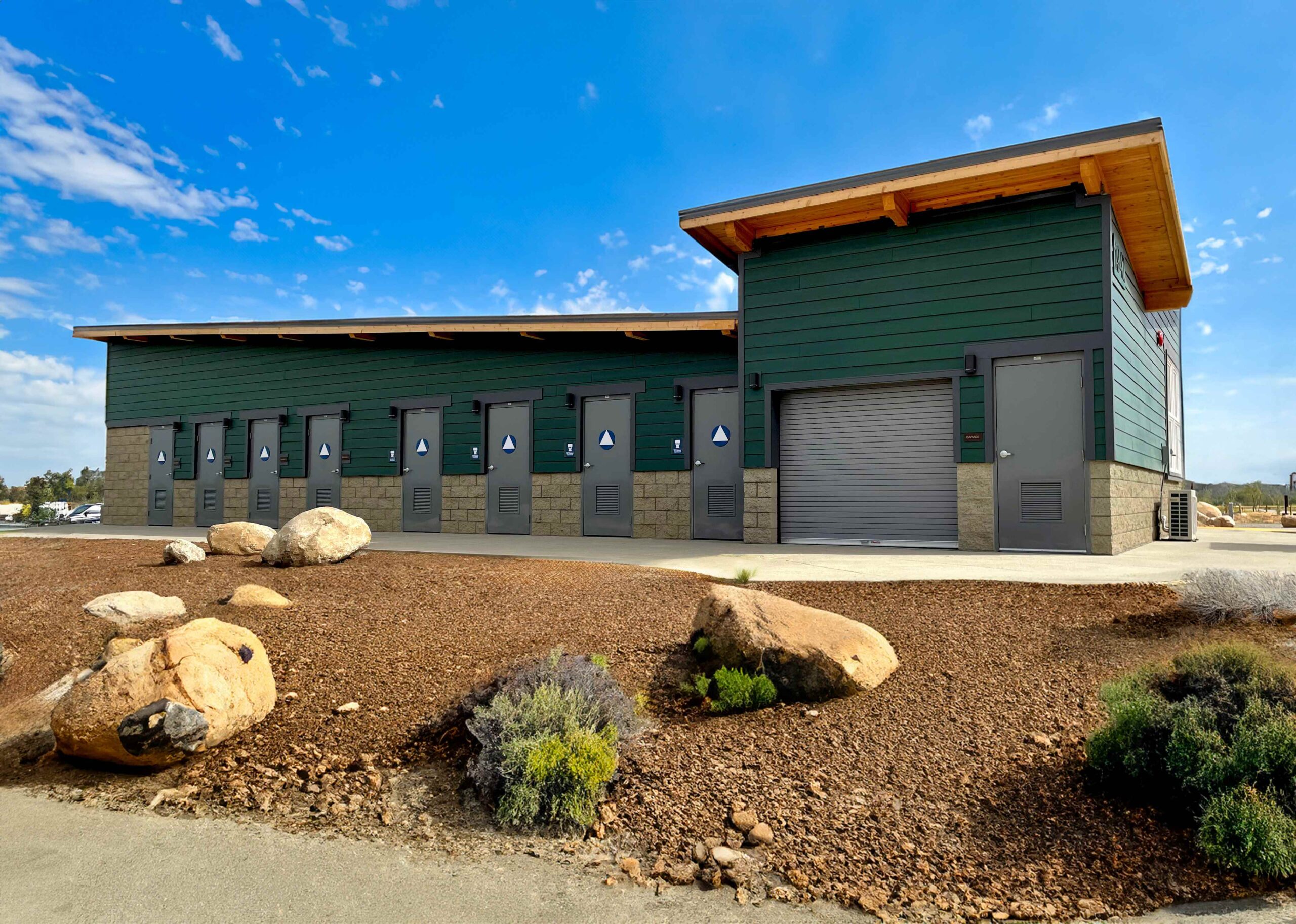
Image credit: romtec.com
Then engineering begins. It is necessary to make changes to alter the layout. The change affects a component specification, which influences the procurement. Later, the contractor finds out that an assumption in the design does not match what was supplied.
These issues do not necessarily indicate that someone has committed an unintentional error. They demonstrate how coordination can be difficult when responsibilities are divided among several individuals.
It is essential to take into consideration more than just the imagination of a potential candidate when looking at a best park building design option. Knowing about accessibility rules, codes, components, engineering, documentation, and construction realities can help connect design decisions with the building that is ultimately constructed.
Check out the Specifics of the Proposal Doesn’t Include
Two building plans that appear to be similar might have different aims.
It could be a set of building supplies. Other options include preliminary design assistance, specifications, drawings, renderings, engineered designs, submissions, supplies, and potentially installation.
If you are comparing only the lowest price without knowing what makes them distinct, it could be inaccurate.
Romtec will give you free estimates and designs, as well as drawings, specifications and renderings for your bid package. After approval the process is moved to engineered plan sets and complete submittals.
Owners and design teams can then go more quickly from a design to a built-in-place.
Custom Requirements Need Early Attention
Rarely are public works implemented under the same conditions.
One community may want green fixtures and materials. Some may also have a particular architectural style. Landscape architects may require unique shades or colors to visually link the restroom to other park structures.
These decisions can influence more than appearance. They can impact the design, documentation, and components.
The earlier you address special requirements, the better the team working on the project an opportunity to include them with a purpose instead of trying to adapt them when major decisions have already been taken.
Construction knowledge changes the design conversation
The most skilled park bathroom designer should be able to understand that sketches will eventually be a reality.
Romtec produces, supplies building materials, builds and designs buildings for use in public applications. Romtec offers building packages that integrate into larger construction projects or offer turnkey construction.
That design-to-construction experience creates a practical perspective: decisions made at a desk eventually have consequences on a jobsite.
Don’t just look at the destination only, but also the journey
A completed bathroom doesn’t reveal all the planning that went on prior to the opening day.
Visitors can observe the building. Visitors look at the structure. The team behind the project also experiences everything that has been accomplished before, including designs, estimations documents and engineering as well as supply the necessary approvals and construction.
That’s why choosing a park-building partner shouldn’t begin with asking “Do we like their facilities?”
A more useful question is:
Do they have the capacity to help us in bringing our design we’ve envisioned to reality?