
The month is done. The month is done.
Make sure you check the account of the restaurant.
You didn’t get the number you were hoping for.
This can be very frustrating for owners of restaurants because they believe that profit and cash flow should tell the same tale. But they don’t. A P&L examines the performance of the business’s finances over a certain period of time, while an account in a bank shows the exact timing of funds moving into and out of the company.
Understanding the difference will change how a restaurant’s owner thinks about their finances.
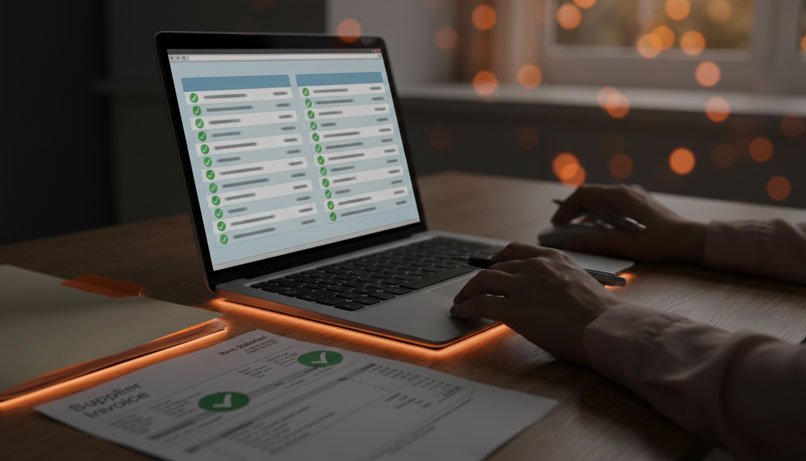
Imagine what could happen during an ordinary week. Customers pay for food. The payment of employees is essential. You will receive invoices along with drinks and food deliveries. Rent is on the way. The timing of debits to credit cards differs. Sales tax is collected but it comes with an obligation.
On the other hand, the next week’s shopping has already started.
When you concentrate on revenue or the number of dollars earned at the end it’s easy to miss out on an abundance of activity.
The key may lie in prime cost
If the profitability of restaurants begins to decline, the food, beverage and labor costs should be taken into consideration.
Together, cost of goods sold and the labor cost comprise the primary cost. The Bookkeeping Chefs’ provided advice places the cost of goods sold between 60 and 65% of revenues for many restaurants. They also emphasize daily monitoring, not waiting until the end of the month.
Effective prime cost management is less about obsessing over a single percentage and more about noticing movement early.
If the restaurant is performing in line with its goals, but this week’s percentage is higher. Maybe overtime also increased. Perhaps the cost of beverages remained steady while food costs jumped. An increase in the percentage of food consumed could prompt the manager to review purchases, waste management, menu mix and portions, or even vendor invoices.
The percentage is crucial. The underlying restaurant activity provides the answer.
Weekly reports make an opportunity for conversation while everyone still remembers what happened.
The details are more difficult to remember two or three days later.
When the vendor bills arrive
A restaurant might purchase its ingredients this week, but then pay for the items later. This can help explain the reason why profit alone isn’t enough to answer all cash-related questions.
Vendor invoices have to be received, recorded, tracked, and ultimately paid. This could be lots of work for the case of a business with several suppliers.
Automating the accounts payable process can help organize this through reducing the repetition of bills and payments. Bookkeeping systems that are connected can give the user a better picture of obligations that haven’t yet been paid into the account of the bank.
This is helpful, since the bank’s balance could appear to be healthier than the restaurant’s real near-term situation.
It could be that you’ve got $80,000 in your account right now. That number means something very different if rent, payroll and vendors commitments consume a significant portion of it over the next few days.
This naturally leads to the process of forecasting cash flows.
Instead of asking “How many dollars of cash are we carrying?” the better question becomes “What will transpire with our cash after the money we hope to receive and our obligations that we already know about?”
The difference can be crucial in determining if this is a suitable week to repair equipment, make an extra purchase, or keep cash.
The money you receive may Not be Yours
Sales tax illustrates this especially well.
Restaurants receive cash from its customers, which eventually needs to be handled according to its tax obligations. If these funds are mixed with cash flow, the balance in a bank can be misleading about the amount of cash available.
Records that are consistent support sales tax compliance as well as providing management with a more accurate perspective of the restaurant’s financials.
Restaurant accounting is more efficient when the financial responsibilities of each restaurant are not separated.
Prime cost affects margin. Vendor purchases affect COGS and future payments. Both labor and cash percentages are affected by payroll. Sales tax influences the availability of cash. P&Ls are used for recording the financial performance. Forecasting can be helpful to management.
Connect the pieces.
Bookkeeping Chef assists in bringing the pieces together by providing restaurant-specific reports and system integrations. Bookkeeping outsourcing can benefit users who don’t want to stay up all night reconciling their financial records.
That last part matters.
It’s not the aim of restaurant owners to cease checking their accounts because someone else does. It is important that owners have access to information so that they understand what’s happening.
Don’t think that the P&L is correct if your balance of the bank seems to be tight, however the P&L indicates that the restaurant has made money.
What was the difference between them?
The answer to that question will reveal something more about the food you serve than a single number could on its own.