
A reliable WiFi signal is crucial for smooth connectivity and productivity in today’s world of digital. The key to reaching this goal is the careful placement of a Wireless Access Point (WAP). Location of the WAP is essential for reliability and stability. Let’s explore the importance of WAP devices and how to choose the best home access point for optimal wireless connectivity.
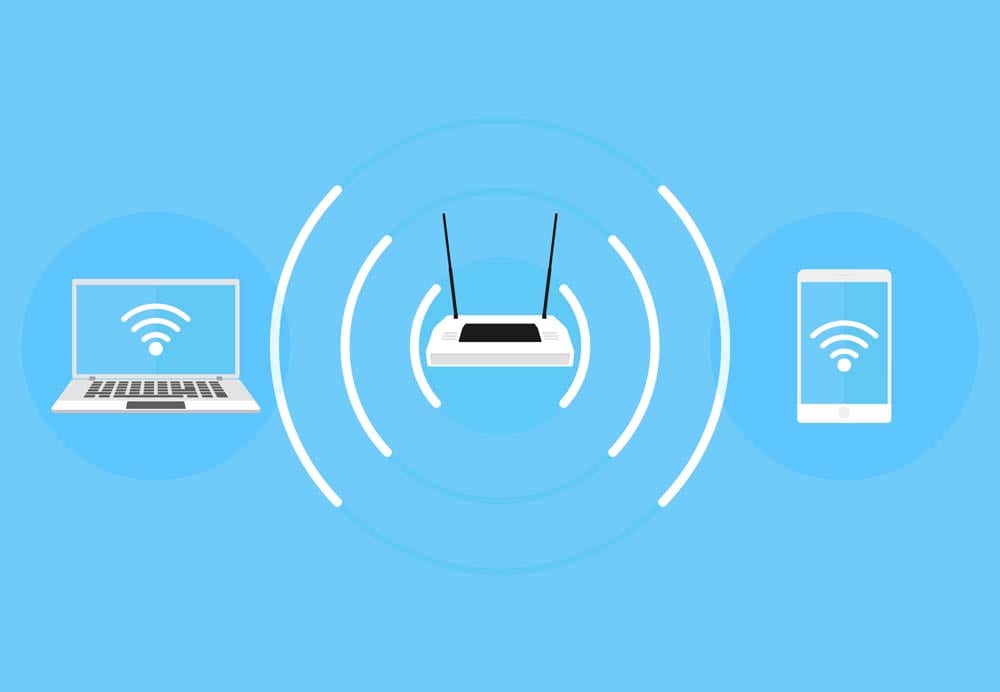
Wap Wireless Access Points are crucial networking devices that permit wireless-enabled gadgets to connect to wired networks by using WiFi and similar standards. It’s a crucial device that allows you to extend the coverage of your wireless network, and reduce the need for large wires. WAPs WAP receives the data of a router using an Ethernet cable and converts the information into an radio signal. The WAP device can pick up this signal, giving them access to the network.
The Effects of WAP Placement
It is vital to place a WAP strategically in order to ensure a reliable WiFi signal across your entire area. The location of the WAP impacts the performance, range and strength of the signal on your WiFi network. Placement of the WAP at its optimal position can aid in reducing interference, increase coverage, and enhance user’s connection experience.
Factors Affecting WAP Signal Strength
The signal that WAPs send to your device is affected by various aspects. These include:
The strength of the signal is determined by the power of signals that are transmitted through WAP.
Range: Distance from which WAP can transmit a powerful steady signal.
Interference: The presence of obstacles or electronic devices that could hinder the wireless signal.
Find the Best Home Access Point
To get the most efficient wireless performance, selecting the right WiFi provider for your office or home is vital. Here are some things to think about when selecting the right home access point:
Signal Strength and Coverage: Select a wireless provider that provides the strongest signal as well as a vast coverage area. This will ensure your WiFi signal is available in your desired area without dead zones.
Select a WiFi with features that minimize interference. This can include dual-band or tri-band features to help navigate through the crowd of WiFi channels.
Easy Configuration and Setup: Select a WLAN with a easy configuration and set-up. Installation procedures that are simple and user-friendly reduce the amount of time and effort.
Security Features: Prioritize WAPs with solid security features, like encryption protocols and security settings. This protects your network and data.
Scalability: Ensure your WAP can manage the number of devices you intend to connect. Expandable WAPs expand with the network which makes them a secure purchase.
The ideal location of WAPs to ensure maximum performance
Central Location: Install the WAP in an central location to ensure an even coverage of WiFi throughout the space. This helps reduce dead zones and provides that you have a constant connection across your area.
Elevation: Mount the WAP at a higher level, such as on a wall or ceiling. This allows the signal to be broadcasted more effectively and provides better coverage.
Avoiding Interference – Keep the WAP far away from any equipment or other materials that could cause interference. Examples are microwaves, cordless telephones and even metal structures. This will ensure that you have a solid WiFi signal.
Professional Assessment: Think about consulting with IT professionals for a thorough evaluation of your area. They can help identify optimal locations for WAP placement according to your particular requirements.
The end of the article is:
In the ever-changing world of technology, a reliable WiFi connection is crucial. Wireless Access Points are essential for this, since they expand your network and provide a reliable WiFi connection. In order to get the most efficient WiFi performance, it is essential to put your WAP in a advantageous location, and then choose the best wireless access point for your network.
The difference you will make by investing the time to analyze your area, comprehend the elements that influence the strength of your WAP signal and the key aspects of an access point wireless is crucial. By mastering the art of WAP placement and positioning, you will be able to discover the full potential of your WiFi network and enjoy continuous, seamless connectivity experience.